
BRAIN HEALTH AND HEALTHY AGING
Political Anxiety in Older Adults: Causes, Symptoms, and Ways to Find Relief
Constant political news, alarming headlines, and heated disagreements can leave older adults feeling anxious, fearful, helpless, or unable to sleep. Learn how political stress affects emotional and physical well-being, practical ways to regain peace of mind, and when professional treatment may help.
By Nasiya Ahmed, MD | Village Physicians Internal Medicine | Houston, TX
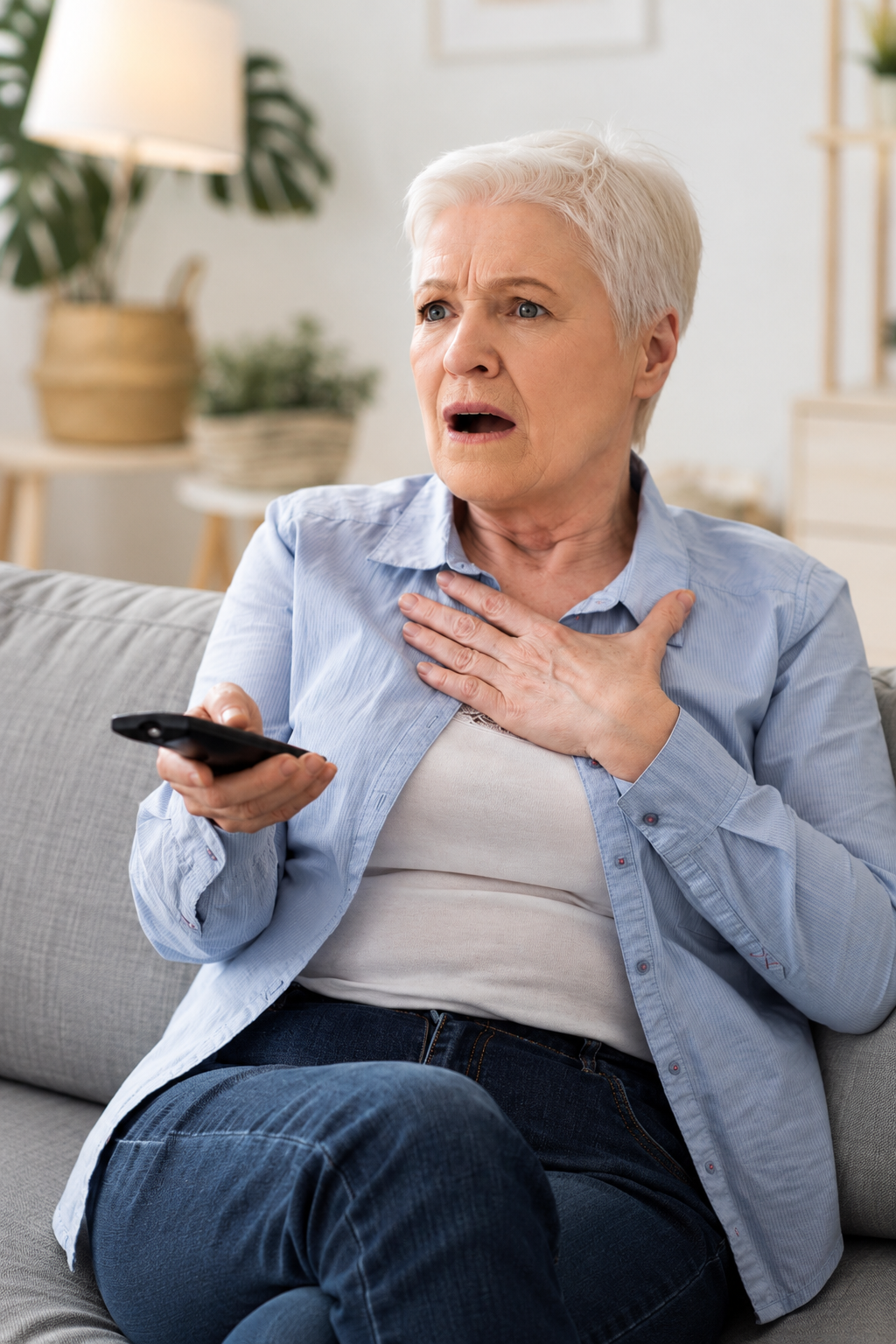
Table of Contents
What Is Political Anxiety?
Political anxiety refers to feelings of worry, fear, tension, or uncertainty related to political events, government decisions, public conflict, or concerns about the future of society.
It is not a separate medical diagnosis. However, political concerns can become a significant source of stress and may contribute to symptoms of anxiety, sleep disruption, or worsening mental health conditions.
People may experience political anxiety regardless of whether they identify as Republican, Democrat, independent, or with another political viewpoint. The particular issues causing concern may differ, but the emotional and physical effects of prolonged stress can be similar.
At Village Physicians, Dr. Nasiya Ahmed has observed older patients describing anxiety, helplessness, fear, and disrupted sleep associated with the political climate and repeated exposure to distressing news.
These concerns deserve attention. Although political disagreements may be unavoidable, persistent distress does not have to become an accepted part of everyday life.
Why Political News Can Feel Overwhelming
Today's information environment is very different from the days when most people received their news from a morning newspaper or a scheduled evening broadcast.
Political information is now available around the clock through television, websites, smartphones, social media, and notifications.
Several features of this environment can contribute to anxiety.

Constant Exposure to Negative Headlines
Breaking-news alerts and repeated coverage of conflict, threats, and uncertainty can keep upsetting topics at the forefront of a person's attention.
News organizations were traditionally fair and balanced but have become increasingly politicaly aligned. They often focus on negative headlines concerning the opposing party. Elderly who have always known the news to be the truth can be confused and upset by the negative covergae and misinformation.
When someone repeatedly encounters information they perceive as threatening, it can become difficult to relax, even when there is no immediate danger in their surroundings.
Uncertainty About the Future
Political developments may raise concerns about healthcare, Social Security, Medicare, financial security, public safety, or the well-being of children and grandchildren.
Some concerns may be legitimate and deserve thoughtful attention. Anxiety can intensify, however, when people repeatedly imagine worst-case outcomes that have not occurred and may never occur.
Social Media and Emotionally Charged Commentary
Online commentary frequently emphasizes disagreement, anger, and alarming predictions.
Repeated exposure to emotionally charged messages may increase feelings of distress, particularly when readers have difficulty distinguishing verified information from speculation or misleading claims.
Feelings of Helplessness
People may feel personally responsible for problems they have little ability to control.
This mismatch between concern and control can contribute to frustration, discouragement, and emotional exhaustion.
Conflict With Friends and Family
Political disagreements can strain relationships. Arguments, avoidance, and tension during family gatherings may add emotional stress to an already difficult situation.
Maintaining healthy relationships does not require agreeing about every political issue.
Why Older Adults May Be Particularly Affected
Political anxiety can affect adults of any age. However, certain circumstances may make the experience especially challenging for some older adults.
Greater Concern About Healthcare and Financial Security
Older adults may be particularly attentive to decisions affecting Medicare, Social Security, retirement income, prescription costs, and access to medical care.
Uncertainty about these issues can create understandable concern, especially for individuals living on fixed incomes or managing chronic medical conditions.
More Time Available for News Consumption
Retirement may provide more opportunities to watch television news, read political commentary, or follow developing stories throughout the day.
For some people, news consumption gradually becomes a major daily activity without their realizing how much time it occupies.
Social Isolation and Reduced Daily Structure
Individuals who live alone or have fewer regular social activities may spend more time with television or online media.
When news becomes a primary source of stimulation or companionship, repeated exposure to distressing coverage may reinforce worry and isolation.
Existing Health and Sleep Concerns
Chronic pain, medical conditions, sleep difficulties, and other health concerns can complicate the experience of stress.
Anxiety may also make existing symptoms feel more difficult to manage.
Concern for Children and Grandchildren
Some older adults worry deeply about the society future generations will inherit.
These concerns may reflect love and responsibility toward family members, but persistent worry can become emotionally exhausting when it dominates daily life.
Not every older adult experiences these circumstances. Age alone does not make someone unable to cope with political events.
Signs and Symptoms of Political Anxiety
Political anxiety can affect thoughts, emotions, behavior, and physical well-being. Common symptoms may include:
- Persistent worry about political developments or the future.Feeling fearful, helpless, angry, or overwhelmed.
- Difficulty relaxing or enjoying previously pleasurable activities.
- Repeatedly checking news broadcasts, websites, or social media.
- Irritability or increased conflict with family members.
- Difficulty concentrating on ordinary activities.
- Trouble falling asleep or waking during the night.
- Fatigue or reduced energy during the day.
- Muscle tension, headaches, or digestive discomfort.
- Avoiding social activities because of political disagreements.
Some people also experience a cycle in which they feel anxious, check the news for reassurance, encounter additional upsetting information, and become even more anxious.
Occasional political worry is not necessarily a medical problem. Concern becomes more important to address when it is persistent, difficult to control, or begins interfering with sleep, relationships, health, or everyday functioning.
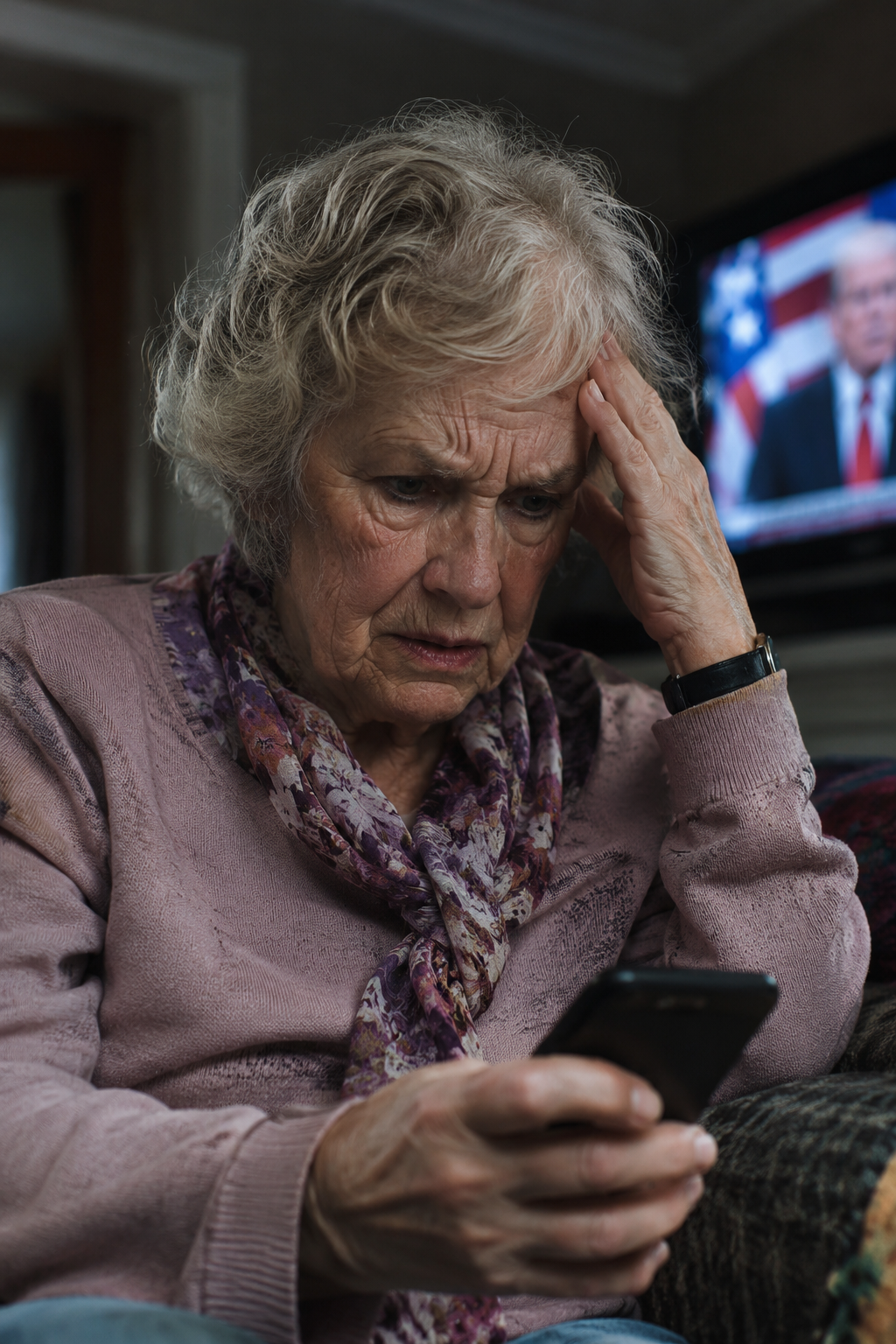
How Political Anxiety Can Affect Physical Health and Sleep
Stress is not experienced only in the mind. The body's stress response can produce physical changes, including increased muscle tension, faster breathing, and temporary changes in heart rate and blood pressure.
When distress continues over time, it may contribute to fatigue, headaches, digestive discomfort, and worsening sleep.
For older adults who already manage medical conditions, prolonged anxiety may make healthy routines more difficult to maintain.
Political Anxiety and Sleep Disruption
One common complaint is difficulty sleeping after watching or reading upsetting political news.
A person may go to bed thinking about a headline, replay an argument, or worry about what could happen next.
This mental activity can interfere with relaxation and make it harder to fall asleep.
Others may awaken during the night and immediately begin thinking about political developments.
Poor sleep can then contribute to fatigue, irritability, reduced concentration, and greater emotional sensitivity the following day.
When Physical Symptoms Need Medical Attention
Not every physical symptom should be attributed to anxiety.
New chest pain, significant shortness of breath, fainting, or sudden neurological symptoms require urgent medical evaluation. Call 911 for potentially life-threatening symptoms.
Persistent sleep problems, palpitations, unexplained fatigue, or worsening health concerns should also be discussed with a healthcare professional.
8 Practical Ways to Reduce Political Anxiety
The goal is not to become uninformed or indifferent. It is to stay appropriately informed without allowing political conflict to dominate your emotional well-being.
1. Set Limits on Daily News Consumption
Choose one or two specific times to review the news rather than keeping political coverage on throughout the day.
For example, consider checking a trusted news source for 15–20 minutes in the morning and again briefly in the afternoon.
This is a practical starting point, not a medically established time limit. Adjust it based on how you feel.
Turn off unnecessary breaking-news alerts and avoid leaving news programming on as background noise.
2. Avoid Political News Before Bedtime
Create a relaxing evening routine that does not include political arguments, alarming headlines, or social media debates.
Consider ending political news consumption at least an hour before bedtime.
Use that time for reading, quiet conversation, music, relaxation exercises, or another calming activity.
A consistent sleep schedule and comfortable sleeping environment can also support better rest.

3. Choose Reliable Information Sources
Not every headline or social media post is accurate.
Use credible sources, distinguish reporting from opinion, and verify alarming claims before accepting or sharing them.
Be cautious of messages that rely on exaggerated language, predictions of catastrophe, or pressure to react immediately.
Being informed does not require consuming every opinion or commentary segment.
4. Focus on What You Can Control
It can help to separate concerns into two categories: matters you can influence and matters outside your immediate control.
You may not control national political decisions, but you can control how much news you consume, how you respond to disagreements, and how you spend your time.
If civic engagement is meaningful to you, consider constructive activities such as voting, contacting elected representatives, volunteering, or participating in community organizations.
Meaningful action may provide a greater sense of purpose than repeatedly worrying about events.
5. Stay Physically Active
Walking, gardening, swimming, cycling, and other appropriate physical activities can support emotional and physical health.
Exercise can provide a healthy break from distressing information and may help reduce symptoms of anxiety.
Choose activities suited to your health and mobility, and discuss new exercise plans with your healthcare provider when appropriate.
6. Practice Relaxation Techniques
Simple relaxation practices may help reduce feelings of tension.
Options include:
- Slow, comfortable breathing.
- Mindfulness or meditation.
- Gentle stretching.
- Progressive muscle relaxation.
- Spending time outdoors.
- Quiet reflection, prayer, or other personally meaningful practices.
You do not need to eliminate every worried thought. The objective is to reduce its intensity and prevent it from controlling your day.
7. Maintain Positive Social Connections
Spend time with friends and family doing things unrelated to politics.
Share meals, participate in hobbies, attend community activities, or enjoy time with grandchildren.
When political disagreements arise, it is reasonable to set respectful boundaries.
You might say, “I value our relationship, but I would rather spend our time together talking about something else.”
8. Replace Helplessness With Meaningful Activities
Anxiety can become more intense when attention remains focused on problems that feel impossible to solve.
Volunteering, mentoring, helping a neighbor, participating in a faith community, or supporting a local cause can provide purpose and connection.
Small actions may not resolve national problems, but they can make a meaningful difference in everyday life.
The most effective approach is often a combination of strategies rather than a single change.
How Is Political Anxiety Treated?
Mild political stress may improve with changes in news consumption, sleep habits, physical activity, and social connection.
However, persistent anxiety may require professional evaluation and treatment.
Treatment should focus on the person's symptoms and needs rather than political opinions.
Medical Evaluation
A primary care clinician can review symptoms, sleep patterns, medications, medical conditions, and other possible contributors to anxiety.
Conditions such as thyroid disorders, medication effects, sleep disorders, depression, or other health problems may contribute to symptoms.
An evaluation can help determine whether symptoms are primarily stress-related or whether additional assessment is appropriate.
Cognitive Behavioral Therapy (CBT)
Cognitive behavioral therapy is an evidence-based form of psychotherapy used to treat anxiety disorders.
CBT helps individuals recognize patterns of thinking and behavior that intensify anxiety and develop healthier responses.
For someone experiencing political anxiety, therapy may address catastrophic predictions, excessive reassurance-seeking, compulsive news checking, and difficulty tolerating uncertainty.
CBT does not require a person to change political beliefs. The goal is to improve coping, emotional regulation, and daily functioning.
Acceptance and Commitment Therapy (ACT)
Acceptance and commitment therapy helps people respond more flexibly to uncomfortable thoughts and feelings while focusing on actions consistent with their values.
This approach may be particularly relevant when someone is distressed about events they cannot directly control.
Rather than attempting to eliminate all uncertainty, the person learns ways to continue living meaningfully despite it.
Medication for Anxiety
When anxiety is persistent, severe, or associated with an anxiety disorder, a healthcare professional may recommend medication.
Certain antidepressant medications, including selective serotonin reuptake inhibitors (SSRIs) and serotonin-norepinephrine reuptake inhibitors (SNRIs), are commonly used to treat anxiety disorders.
Other medications may be considered depending on the diagnosis and individual circumstances.
Medication decisions require particular care in older adults because of potential side effects, interactions, fall risk, and existing medical conditions.
Sedating medications such as benzodiazepines are generally approached cautiously in older adults because they can increase the risk of confusion, falls, and dependence.
Medication is not automatically necessary for political stress, and treatment should be individualized.
Treatment for Sleep Problems
When insomnia is a significant concern, a clinician may evaluate sleep habits, medical conditions, medications, and possible sleep disorders.
Cognitive behavioral therapy for insomnia (CBT-I) is an evidence-based treatment for chronic insomnia.
Sleep medications are not always the best long-term solution, especially for older adults who may be more vulnerable to adverse effects.
Counseling and Social Support
Supportive counseling, individual psychotherapy, and appropriate community support can help people manage anxiety and isolation.
Treatment may involve a primary care clinician, psychologist, licensed counselor, psychiatrist, or other qualified professional.
The appropriate approach depends on the severity of symptoms and the patient's medical circumstances.
When Should You Talk With Your Doctor?
Consider scheduling an appointment if political concerns are causing:
- Anxiety or fear that persists despite efforts to relax.
- Frequent difficulty sleeping.
- Loss of interest in normal activities.
- Withdrawal from friends or family.
- Significant irritability or emotional distress.
- Trouble concentrating or managing everyday responsibilities.
- Worsening symptoms of an existing medical or mental health condition.
- Increased reliance on alcohol, sedatives, or other substances to cope.
It may help to record when symptoms occur, how much time you spend following political news, and whether your symptoms improve when you take a break.
Bring a current medication list to your appointment.
Your healthcare provider can help assess possible medical contributors, discuss coping strategies, and determine whether counseling, medication, sleep treatment, or referral is appropriate.
If you or someone you know is experiencing suicidal thoughts or an emotional crisis, call or text 988 in the United States for immediate crisis support. If there is immediate danger, call 911.
How Family Members Can Help
Family members may notice changes in an older adult's mood or behavior before the person recognizes how much political anxiety is affecting daily life.
Support can begin with listening rather than arguing about political opinions.
Helpful approaches include:
- Ask how the person is feeling and whether worry is affecting sleep or daily activities.
- Avoid dismissing concerns or telling the person that their feelings are unreasonable.
- Suggest enjoyable activities that do not involve political news.
- Encourage regular meals, movement, social contact, and consistent sleep routines.
- Help identify trustworthy information sources when misinformation is increasing distress.
- Respectfully suggest reducing continuous television or social media exposure.
- Encourage medical evaluation when symptoms persist or interfere with daily life.
Avoid turning the conversation into a debate over which political viewpoint is correct.
The priority is the person's health, emotional well-being, and ability to enjoy everyday life.
Frequently Asked Questions About Political Anxiety in Older Adults
Political conflict and constant news coverage can create understandable worry. The following answers explain common concerns and ways to manage symptoms.
Can watching too much political news cause anxiety?
Repeated exposure to distressing political news can contribute to worry, tension, and emotional exhaustion. Some people may also experience sleep problems or difficulty relaxing. Limiting news consumption and taking regular breaks may help reduce these symptoms.
Why do political events make some older adults anxious?
Older adults may be concerned about healthcare, retirement security, family members, public safety, or the future of the country. Social isolation, existing health concerns, and prolonged news exposure can also contribute. Political anxiety can affect people of all ages and political affiliations.
Can political anxiety cause insomnia?
Stress and worry about political events can interfere with falling asleep or staying asleep. Avoiding upsetting news before bedtime, maintaining a consistent sleep schedule, and practicing relaxation may help. Persistent insomnia deserves medical evaluation.
Is political anxiety a mental health disorder?
Political anxiety is a descriptive term, not a separate psychiatric diagnosis. However, persistent worry that interferes with daily functioning may be associated with an anxiety disorder or another treatable condition. A healthcare professional can evaluate the symptoms.
Should I stop watching the news completely?
Not necessarily. Staying informed can be meaningful and beneficial. The goal is to establish healthy limits, choose reliable sources, and avoid continuous exposure that increases distress. Some people benefit from a temporary break.
Can political anxiety affect blood pressure or heart health?
Stress can temporarily increase heart rate and blood pressure. Chronic stress may also interfere with sleep, physical activity, and other healthy routines. Political anxiety should not be assumed to be the cause of new cardiovascular symptoms, which may require medical evaluation.
What is the best treatment for political anxiety?
Treatment depends on the severity of symptoms. Limiting news exposure, improving sleep, maintaining social connections, and practicing stress-management techniques may help. Persistent anxiety may benefit from psychotherapy, particularly cognitive behavioral therapy, and sometimes medication following professional evaluation.
Can anxiety medication help older adults?
Medication may help when an older adult has a clinically significant anxiety condition. A healthcare professional should consider the person's medical history, other medications, possible side effects, and fall risk. Medication is not automatically needed for ordinary political worry.
How can I help an older family member who is constantly worried about politics?
Listen without arguing, acknowledge their concerns, encourage breaks from distressing news, and invite them to participate in enjoyable activities. If anxiety is disrupting sleep, relationships, or daily functioning, encourage a medical appointment.

About the Physician
Nasiya Ahmed, MD
Dr. Nasiya Ahmed is a board-certified physician specializing in Internal Medicine, Geriatrics, Hospice, and Palliative Medicine at Village Physicians in Houston, Texas. Her approach emphasizes personalized medical care, preventive health, and helping patients make informed decisions about their well-being.
Dr. Ahmed has observed that political conflict, constant news coverage, and uncertainty about the future are contributing to anxiety, fear, helplessness, and sleep disruption among some of her older patients.
She encourages patients to discuss emotional health and sleep concerns as part of their overall medical care. A primary care evaluation can help identify contributing medical factors, review treatment options, and determine when specialized mental health services may be appropriate.
Through patient education and individualized care, Village Physicians supports patients in maintaining both physical and emotional well-being.
Additional Resources on Political Anxiety and Stress Management
These trusted organizations provide information about political stress, anxiety symptoms, coping strategies, and treatment.
American Psychological Association — The Impact of Election Stress: Is Political Anxiety Harming Your Health?
Explains how political conflict can affect emotional and physical health and offers research-informed strategies for reducing distress.
https://www.apa.org/monitor/2024/10/managing-political-stress
Centers for Disease Control and Prevention — Managing Stress
Provides practical guidance for recognizing stress symptoms, taking breaks from distressing news, staying connected, and supporting emotional well-being.
https://www.cdc.gov/mental-health/living-with/
National Institute of Mental Health — Generalized Anxiety Disorder: What You Need to Know
Explains anxiety symptoms, medical evaluation, cognitive behavioral therapy, and medication options.
https://www.nimh.nih.gov/health/publications/generalized-anxiety-disorder-gad
American Psychological Association — Stress in America 2026
Provides national survey findings about stress, uncertainty, political concerns, and other issues affecting Americans.
https://www.apa.org/pubs/reports/stress-in-america/2026
These resources provide general educational information and do not replace an individualized medical evaluation.
Protect Your Peace of Mind and Your Health
Caring about current events is natural. But constant worry, fear, and sleepless nights should not prevent you from enjoying your life.
If political stress or other concerns are affecting your emotional well-being, sleep, or daily activities, a healthcare professional can help you understand your symptoms and explore appropriate options.
Village Physicians welcomes patients seeking personalized medical care and guidance about their overall health.
Questions? Call our office at (832) 930-7877.