
CHOLESTEROL MANAGEMENT AND PREVENTIVE CARE
Herbal Remedies for High Cholesterol: Evidence and Safety
If you have high cholesterol, you may be wondering whether herbal remedies can help lower your numbers naturally. Learn what is known about herbal supplements, why some remedies lack reliable evidence, how supplements may interact with cholesterol medication, and which approaches are supported by medical research.
By Nasiya Ahmed, MD | Village Physicians Internal Medicine | Houston, TX
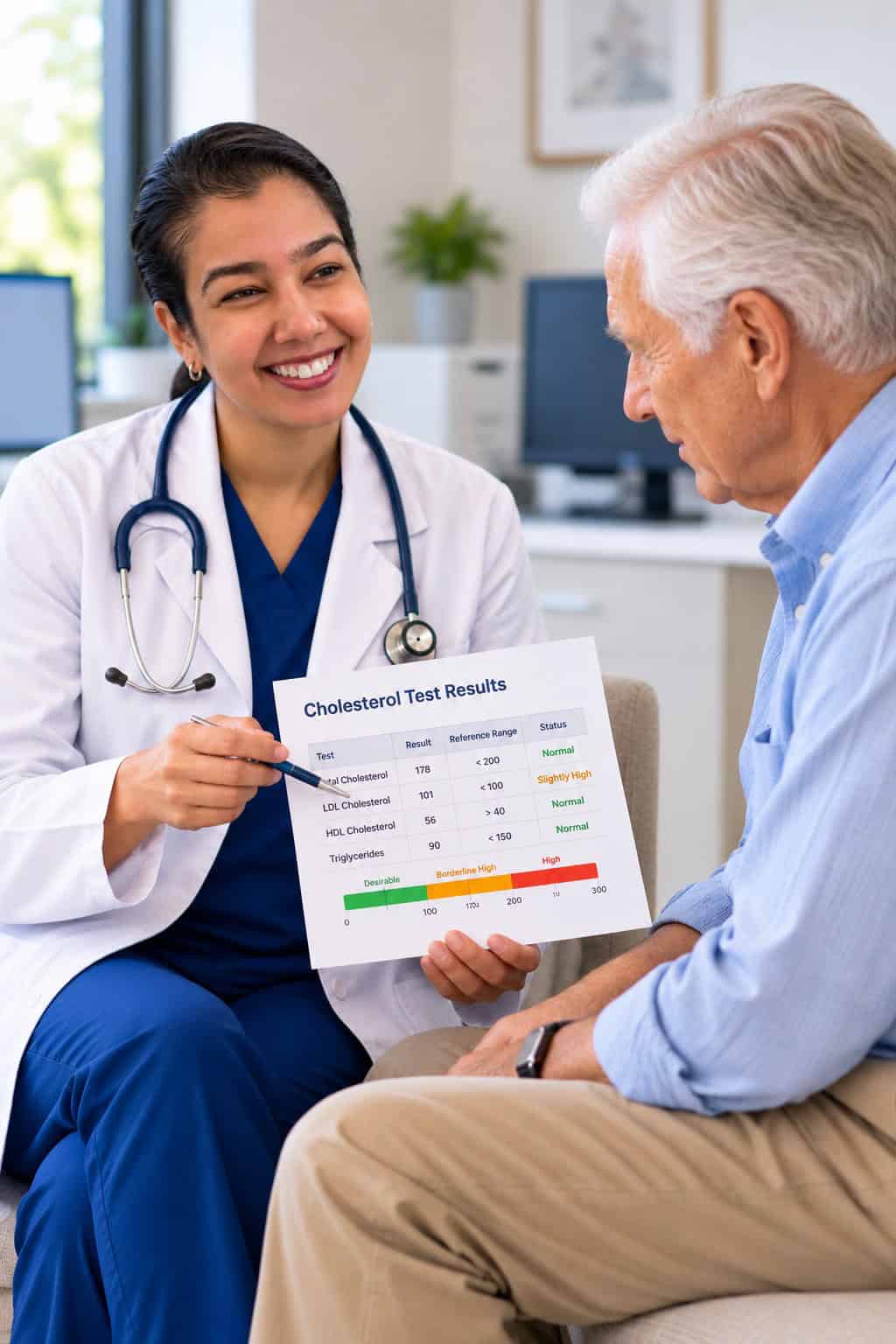
Table of Contents
Can Herbal Remedies Lower High Cholesterol?
High cholesterol is a common health concern that can increase the risk of heart disease and stroke. Some people explore herbal remedies and dietary supplements because they prefer natural approaches or want to avoid medication side effects.
However, natural does not automatically mean safe or effective. The evidence supporting cholesterol-related supplements varies considerably. Some products have been studied for their potential effects on cholesterol levels, while others have little reliable human evidence to support their use.
It is also important to understand that a change in a cholesterol test does not necessarily mean a product reduces the risk of heart attack or stroke. The overall benefit depends on the treatment, the person's cardiovascular risk, and the quality of the evidence.
If you are considering an herbal remedy, discuss it with your healthcare provider or pharmacist before starting it, particularly if you already take prescription medication.
Corn-Husk Water and Cholesterol: What Should You Know?
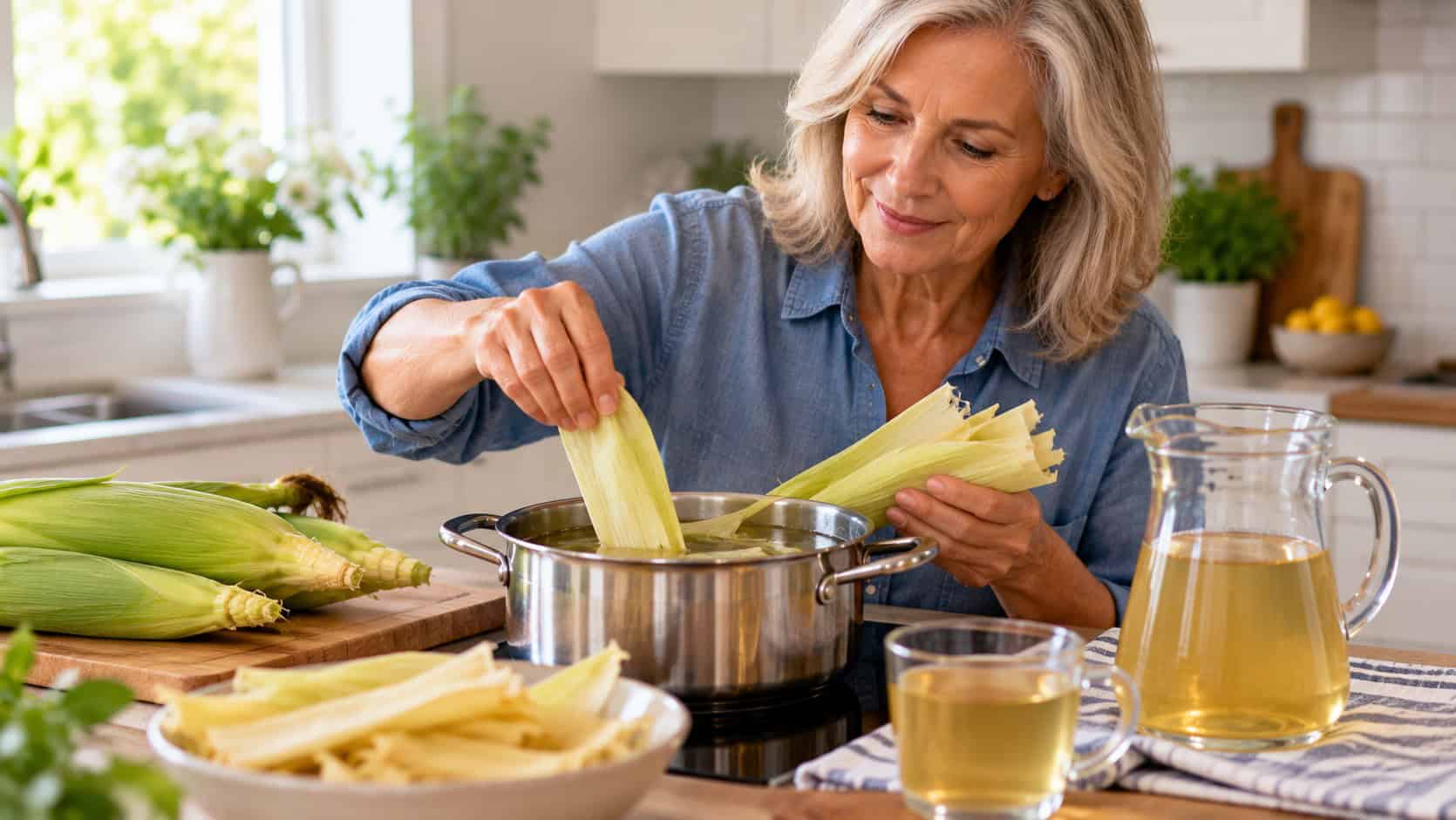
Some traditional remedies involve boiling corn husks or other plant materials in water and drinking the resulting liquid. People may use these preparations for a variety of health concerns, including cholesterol management.
At present, there is not enough reliable clinical evidence to recommend corn-husk water as a proven treatment for high cholesterol. A traditional practice or personal account does not establish that a remedy works, what dose would be appropriate, or whether it is safe for regular use.
Several questions would need to be answered before such a remedy could be recommended:
- Does it consistently lower LDL cholesterol in well-designed human studies?
- What substances are present in the preparation, and in what amounts?
- Is the preparation safe when consumed regularly?
- Could it interact with prescription medication or existing medical conditions?
- Does it improve meaningful health outcomes, rather than only changing a laboratory measurement?
Without adequate evidence, corn-husk water should not be relied upon to control high cholesterol or replace a prescribed treatment.
If you are interested in a traditional remedy, bring the details to your healthcare provider. Discussing it openly can help you evaluate potential risks without compromising your established care plan.
What Does the Evidence Say About Herbal Supplements?
Research on herbal and dietary supplements varies by product. Evidence for one supplement cannot automatically be applied to another, and products containing the same advertised ingredient may differ in formulation, concentration, and quality.
Some supplements have been studied for their possible effects on cholesterol. However, the strength of the evidence, the size of any benefit, and the safety profile differ. A supplement that produces a modest change in a laboratory result may not provide the same benefits as a treatment shown to reduce cardiovascular risk.
Before using a product, consider these questions:
- Is there credible human research? Look for well-designed clinical studies rather than testimonials or animal studies alone.
- What outcome was measured? A change in LDL cholesterol is not the same as proof of fewer heart attacks or strokes.
- Are the ingredients and dose clearly listed? Proprietary blends and unclear labeling can make a product difficult to evaluate.
- What are the potential risks? Supplements can cause side effects, interact with medication, or contain ingredients that differ from what consumers expect.
- Who reviewed the evidence? Reliable guidance from organizations such as the National Center for Complementary and Integrative Health can help you evaluate claims.
A healthcare professional or pharmacist can help you consider whether a particular supplement has credible evidence and whether it is appropriate for your circumstances.
Can Herbal Supplements Interact With Cholesterol Medication?
Yes. Some herbal products can change how prescription medications work, potentially increasing side effects or reducing treatment effectiveness. The risk depends on the specific supplement, medication, dose, and individual health factors.
For example, the National Center for Complementary and Integrative Health identifies potential interactions involving certain supplements and statins, the class of medications commonly used to lower LDL cholesterol.
This does not mean every herbal product interacts with every statin. It does mean that supplements should be reviewed individually rather than assumed to be harmless because they are natural.
For safer medication management:
- Tell your healthcare provider about every supplement, herb, tea preparation, and over-the-counter product you use.
- Bring the product packaging or a complete ingredient list to your appointment.
- Ask a pharmacist whether a product may interact with your prescription medication.
- Do not stop, reduce, or replace a prescribed cholesterol medication without discussing the decision with your clinician.
If you are experiencing medication side effects, your clinician may be able to review your dose, assess other possible causes, or discuss alternative treatments.
Evidence-Based Ways to Manage High Cholesterol
Managing cholesterol usually involves assessing your overall cardiovascular risk and selecting an appropriate combination of lifestyle measures and, when indicated, medication.
Choose a Heart-Healthy Eating Pattern
A heart-healthy diet emphasizes vegetables, fruits, whole grains, beans, nuts, and other nutrient-rich foods. Replacing foods high in saturated fat with sources of unsaturated fat can help improve cholesterol levels.
Rather than relying on a single food or drink, focus on the overall pattern of what you eat over time.
Stay Physically Active
Regular physical activity supports cardiovascular health and can help with weight management. Choose activities appropriate for your fitness level and health conditions, and ask your healthcare provider if you need guidance on starting an exercise routine.
Maintain a Healthy Weight
For people who are overweight, weight management may improve cholesterol and other cardiovascular risk factors. A sustainable approach is generally more useful than restrictive or short-term diets.
Avoid Tobacco
Smoking damages blood vessels and increases cardiovascular risk. If you smoke, ask your healthcare provider about support and treatments that can help you quit.Smoking damages blood vessels and increases cardiovascular risk. If you smoke, ask your healthcare provider about support and treatments that can help you quit.
Take Medication When Recommended
Lifestyle changes are important, but they may not be enough for everyone. Depending on your LDL cholesterol level, medical history, family history, and overall cardiovascular risk, medication may be recommended.
Statins are commonly prescribed because they lower LDL cholesterol and reduce the risk of heart attack and stroke in appropriate patients. Other medications may be considered when needed.
Your treatment plan should reflect your individual risk and preferences, with regular follow-up to evaluate progress
When Should You Talk With Your Healthcare Provider?
Consider scheduling an appointment if:
- You have been told that your cholesterol is high and are unsure what to do next.
- You are considering an herbal remedy or supplement.
- You have concerns about the side effects of cholesterol medication.
- You have stopped taking medication or are thinking about stopping it.
- You have a family history of high cholesterol or early cardiovascular disease.
- You want to understand your cholesterol results and cardiovascular risk.
Bring a list of your medications and supplements, along with any recent cholesterol results. Your healthcare provider can review your LDL cholesterol, other risk factors, and treatment goals to help determine an appropriate plan.
High cholesterol usually does not cause noticeable symptoms. Regular testing and appropriate management are important even when you feel well.
If you experience symptoms that could indicate a heart attack or stroke, seek emergency medical care rather than waiting for a routine appointment.
Frequently Asked Questions About Herbal Remedies and Cholesterol
People considering natural approaches to cholesterol management often have questions about effectiveness, medication safety, and alternatives to prescription treatment.
Can herbal remedies cure high cholesterol?
There is no reliable evidence that herbal remedies as a group cure high cholesterol. Evidence varies by product, and no supplement should be assumed to replace an established treatment plan.
Does drinking boiled corn-husk water lower cholesterol?
There is insufficient reliable clinical evidence to recommend corn-husk water for lowering cholesterol. It should not be used as a substitute for proven lifestyle measures or prescribed medication.
Can I take herbal supplements with a statin?
Possibly, but safety depends on the specific supplement and statin. Some supplements may affect medication levels or increase side effects. Ask your healthcare provider or pharmacist to review the exact products before combining them.
Are natural cholesterol-lowering products safer than prescription medication?
Not necessarily. Herbal products can cause side effects, interact with medications, and vary in quality. Prescription medications also have potential risks, but their benefits and safety are evaluated through established regulatory processes and clinical evidence.
Can I stop taking my cholesterol medication if I improve my diet?
Do not stop your medication without discussing it with your healthcare provider. Whether treatment is still needed depends on your cholesterol results, cardiovascular risk, medical history, and the reason the medication was prescribed.
What is the best natural way to manage high cholesterol?
A heart-healthy eating pattern, regular physical activity, appropriate weight management, and avoiding tobacco are established ways to support cardiovascular health. Some people also need medication. Your healthcare provider can help determine the combination most appropriate for you.
How can I tell whether a supplement's health claims are reliable?
Look for credible human research, transparent ingredients, independent evaluation of the evidence, and realistic claims. Be cautious of products that promise a cure, guarantee dramatic results, or tell you to stop prescribed treatment. Discuss the product with a qualified healthcare professional before using it.
Additional Resources on Cholesterol and Herbal Supplements
The following resources provide evidence-based information about cholesterol management, dietary supplements, and potential medication interactions.
- MedlinePlus — How to Lower Cholesterol: Learn about lifestyle changes, medical treatment, and the evidence surrounding supplements.
- American Heart Association — Prevention and Treatment of High Cholesterol: Understand heart-healthy lifestyle changes and when cholesterol-lowering medication may be recommended.
- National Center for Complementary and Integrative Health — 6 Tips: How Herbs Can Interact With Medicines: Review examples of supplement interactions and practical steps for discussing herbal products with healthcare professionals.
These resources provide general educational information. Your own treatment decisions should take into account your medical history, cholesterol results, current medications, and cardiovascular risk.

About the Physician
Nasiya Ahmed, MD
Dr. Nasiya Ahmed is a board-certified physician specializing in Internal Medicine, Geriatrics, Hospice, and Palliative Medicine at Village Physicians in Houston, Texas. She provides care focused on helping patients understand their health concerns, manage medical conditions, and make informed decisions about their well-being.
If you have questions about high cholesterol, medication side effects, or the safety of supplements, a healthcare professional can help you evaluate your options and determine appropriate next steps.
Make Informed Decisions About Your Cholesterol
Considering an herbal remedy does not have to mean choosing between traditional approaches and medical care. Understanding the evidence, checking for medication interactions, and reviewing your cardiovascular risk can help you make safer, better-informed decisions.
Village Physicians welcomes patients seeking guidance about their health concerns and available medical services.
Questions? Call Village Physicians at (832) 930-7877.